February 4, 2010

Preventing Bicycle Accidents at Construction Sites

If you are bicycling through or near construction sites, you face a number of added obstacles and hazards. Construction sites may have uneven ground which can lead you to fall off your bicycle and sustain a head injury or a broken bone. Construction sites may also cause you to collide with workers or pieces of equipment. Here are some ways you can help prevent this type of accident and the personal injuries it can cause:

1) Plan ahead. Read about construction projects in your area online or in the newspaper. Your State Department of Transportation website may also list construction sites. Consider planning a route which does not take you past a construction site. This is often your safest option.

2) If you drive past a construction site, take stock. If you cannot avoid a construction site, evaluate the situation as you approach. Is there a detour for bicycle? Is there a “Road Closed to Bicycles” sign? Respect all signs and detours. If there are no detours or signs prohibiting bicycles, you may pass through the site, using some extra caution.

3) As you approach a construction site, look for flagmen and workers. Make sure that these workers can see you. They may stop you and ask you where you are headed. Be pleasant, but if you are barred from passing, speak to the Resident Engineer or the Project Safety Coordinator to handle things.

4) Hope off your bike if you are in doubt. This is a safer option if a construction site is very complex. Make sure that equipment operators can see you. Make eye contact. If you hear and see that a truck or piece of equipment is back up, move out of the way.

5) Obey the rules. Even if you don’t agree with signs or rules, do not assume that just because your bicycle is small that you can go anywhere. Signs and rules are there to protect you, too, so do not ride your bicycle where you are forbidden. If a construction site seems to have unreasonable rules, complain to the city.

Bookmark and Share

January 28, 2010

Distracted Driving is Bad – What About Distracted Bicycling?

Recently, there has been a great deal of information in the news about distracted driving. A number of news stories have reported on the dangers of driving while texting or talking on cell phones. The Oprah Winfrey Show featured distracted driving in a bid to send the message that texting and cell phone use while driving causes car accidents and other accidents. There are even groups calling for new legislation which would ban mobile device use in cars across the country.

There is no doubt that distracted driving is a major danger on our streets and can also lead to pedestrian accidents and bicycle accidents. Distracted drivers don’t just hit inanimate objects and other cars. In some cases, they hit pedestrians and bicyclists. Since bicyclists are not protected by a layer of metal and glass, the way drivers are, they are more likely to sustain serious head injuries, spinal cord injuries, and other injuries which may prove permanent or fatal. When distracted drivers collide with bicyclists, the results are often deadly.

While much has been said and written about distracted driving, however, less has been said about distracted bicyclists. While drivers need to avoid distracted driving to keep themselves, pedestrians, bicyclists, and other drivers safe, bicyclists also have a responsibility to keep themselves safe by not getting distracted when riding. Unfortunately, the message about distracted bicyclists is not being made as forcefully.

Many bicyclists feel that they can ride a bicycle while listening to music, talking on a cell phone, or even texting. In fact, some bicyclists may feel that this is safer than distracted driving because bicyclists are not in a car, which can cause a lot of damage in an accident. As well, many bicyclists see bicycling as a form of exercise and like to have music available while exercising.

Unfortunately, distracted bicyclists can be just as dangerous as distracted motorists. Bicyclists need to keep their eyes and ears fully on the road at all times, in order to hear and see clearly everything that is happening around them. Bicyclists need to be ready to respond quickly to changing road conditions and traffic conditions, especially when sharing roads with cars.

Distracted bicyclists who are not paying attention may veer into cars, bicycles, pedestrians, or other bicyclists. They can even cause an accident if a car swerves to avoid them. Bicyclists who are using a mobile device may keep only one hand on the handlebars, which can cause them to have trouble braking if they need to brake suddenly. It’s time to get the message out: distracted bicyclists can cause harm, just as distracted drivers can. Whether you are operating a motorcycle, bicycle, car truck, bus, train, or any form of transportation, you need to avoid distractions. It’s the only way to keep our streets and roads truly safe.

Bookmark and Share

August 11, 2009

Prevent Bicycle Accidents on Your Commute

Today, many people are choosing to commute to work on bicycle. Bicycles save on car costs significantly and can provide a great source of exercise as well. However, trying to maneuver a bike through rush-hour traffic early in the morning can also cause bicycle accidents, pedestrian accidents, and serious personal injuries. Here’s how to arrive at work safely:

1) Choose the right route. The route you take to work via car is likely not the route you want to take on your bicycle. Trying to weave around rush-hour traffic early in the morning is dangerous. Consider taking bike paths (which will likely get you to your destination sooner, thanks to minimal traffic) or less congested streets.

2) Build your bicycle know-how. If you haven’t taken your bike out for years, hone your skills with several afternoon rides before you try to make it to work. Consider taking a refresher course in bicycle safety. Get ready for your commute.

3) Give yourself extra time. Trying to rush to work because you might be late increases the risk of accidents. You don’t want to be taking safety short cuts on your bicycle just to beat the clock. Allow yourself plenty of extra time. It’ll come in handy if you want to freshen up before work, too. With time, you will become a better judge of how much time you need.

4) Obey the rules of the road. Just because you are on a bicycle, that does not mean you get to ignore all the habits and rules you have learned as a driver. Check your blind spots, obey all traffic signals, and signal turns, just as you would if you were in a car. You need to ensure that drivers can predict your movements.

5) Don’t carry items in your hands. It seems like common sense, but keep in mind that you can’t bicycle and drink coffee or bicycle and text. You need both hands on the steering wheel for control.

6) Wear your helmet. Head injuries are one of the most common and preventable injuries related to bicycle accidents. You can help prevent this common injury just by wearing a helmet each time you hop on your bike.

Bookmark and Share

August 4, 2009

Prevent Bicycle Accidents With A Few Safety Items

A few additional accessories can help you prevent a bicycle accident and injury. These items can make a big difference and can ensure that your bicycle is safer:

1) A bicycle helmet. You should never hop on your bicycle without a helmet. A helmet is inexpensive and helps protect you from one of the most common injuries associated with bicycle accidents. According to the Bicycle Helmet Safety Institute, helmets can prevent up to 85% of head injuries caused by bicycle accidents. Since 75% of all bicycle accident fatalities are linked to brain injury, the helmet is the most important piece of safety gear for all bicyclists.

2) Lights. You should have a red read light and a white front light. These can be clipped onto your back, handlebars, and seat and are essential to ensure that drivers and pedestrians see you coming. For your front light, opt for a white LED light that will help improve your visibility, too.

3) The right shoes. Good shoes help your feet stay comfortably on the pedals and help you keep control of your bicycle. Shoes that slip or easily come off your foot can pose a serious danger. For heavy-duty bicycling or for bicycling in extreme conditions, invest in shoes with clips. These shoes keep you safer and even allow for faster bicycling and better control.

4) The right clothing. Have a few outfits you can wear while bicycling. This should include clothing that is not loose and does not contain drawstrings or laces that can get caught in your bicycle gears. Look for moisture-wicking clothes that help you stay comfortable and dry on your bike.

5) A rack. A panniers or rack does not cost very much but can help keep your hands free. This can be the perfect place to store your backpack or gear if you are bicycling to a picnic or out camping. While you can also carry a backpack, this can inhibit your motion and can cause you to become tired more quickly. A rack is usually the safer way to go.

6) A fender. A fender ensures that you are not sprayed with water. It also ensures that your rear tire is not splashed. This can help keep rust to a minimum and can ensure that your rear tire stays clean and free of debris.

Bookmark and Share

May 8, 2009

Do You Need a Personal Injury Attorney for a Bicycle Accident?

Many people assume that bicycle accidents are “too small” to require an attorney. This is, in fact, incorrect. Bicycle accidents cause fatalities each year as well as serious injuries, including brain injuries, broken bones, and spinal cord injuries. Even minor accidents can severely affect a bicyclist’s life. If you have been in a bicycle accident, a qualified Florida personal injury attorney can:

1) Help you understand your legal rights. Many bicyclists do not fully understand their rights if they have been struck by a car. Unfortunately, many motorists and some authorities blame bicyclists for accidents involving cars, even when a driver was at fault. An attorney can ensure that you are not blamed for an accident that was not your fault.

2) Help you get the assistance you are entitled to under the law. Even if you have been in a relatively minor accident, you may have to pay many costs stemming from the incident. You may have hospital and doctor bills, you may have lost income, and you may need to replace your bicycle and other personal property. If you have been in a serious accident, you may need surgery, physiotherapy, and additional assistance. Without legal help, you might have to pay many of these costs out of pocket. An attorney can ensure that you get help to pay for these costs.

3) Help you negotiate with car or homeowner insurance. Insurance providers sometimes offer very low amounts to bicycle accident victims, even when victims have suffered serious injuries or expect to incur high medical costs as a result of their accident. An attorney can negotiate on your behalf so that your claim is handled quickly and fairly.

4) Find answers about what really happened. An attorney has access to investigators who can gather evidence about an accident and can help determine liability. If you have been blamed for an accident, especially, it is useful to get legal help to find out what really happened. If you think that a driver’s negligence caused an accident, getting legal help can ensure that you get the answers you need.

5) Help you get the best quality of medical care. Without legal help, you may not be able to afford optional treatments that can help you recover from your accident more fully. An attorney can help ensure that you can get these treatments.

Bookmark and Share

April 30, 2009

How Bicyclists Can Stay Safer

While most bicyclists know the importance of wearing a helmet and following the rules of the road, there are some minor details which can help avoid accidents. Car-bicyclist accidents can cause serious brain damage, spinal cord injuries, broken bones, and other personal injury. In some cases, these accidents lead to fatalities, so it is important to pay attention to the little things that can affect your safety when you ride:

1) Wear goggles, a face shield, or plastic lenses as well as your helmet. Dirt, pebbles, wind, and insects can fly into your face and eyes when you bicycle, injuring you and causing you to veer of the road. Wearing proper eye protection ensures good visibility and protects your eyes.

2) Wear the right shoes. Do not bike with flip-flops, sandals, or laced shoes that can get caught up in your bike chain. Look for flat and thin-soled shoes with good treads so that your feet will not slip off the pedals. Wear shoes that wear well, and comfortable, and will not easily fall off your feet.

3) Know your limits. If you approach a busy street or a traffic situation that exceeds your biking abilities, get off your bicycle and walk your bicycle for a little bit until you get to a safer spot. When in doubt, walk your bike. If it’s been a while since you have been on a bicycle, stay on dedicated walking and biking trails until you gain some extra experience.

4) Yield to pedestrians when you’re biking on sidewalks or trails and when you’re pulling out from a driveway. When passing pedestrians, give a signal to let the pedestrian know you’re coming. Pedestrian accidents involving bicycles are a serious problem and can cause serious injury.

5) Keep your bicycle in good condition. You are less likely to fall off your bike and get injured if your bicycle is in good repair. A bike in poor condition can put a stop to your ride suddenly, and that can cause an accident.

Bookmark and Share

April 17, 2009

Maintaining Your Bicycle Can Help Prevent Bicycle Accidents

In addition to exercising caution on the roads and following road rules, bicyclists can help prevent accidents and serious personal injury by keeping their bicycles in good condition. Proper maintenance ensures that a bicycle is safe to ride and responds well in an emergency. A poorly-maintained bicycle can break down and even cause an accident. Tips for property bicycle maintenance include:

1) Keep your handle bars well aligned. This can help you keep control of your bicycle. If your bike is not steering or responding well, take a look at the handle bars. Also, make sure that the bicycle – and handle bars – are suited for your height. Get a professional to help you if you are not sure if your bike is adjusted for you correctly.

2) Check your chains before you ride. If your chains fall off, you could fall off your bike – something that can be quite serious on a busy street. Check for signs of looseness, rust, and other problems.

3) Take your bicycle into a shop for a yearly tune up. Just as you would take your car in for regular tune ups, take your bike in periodically for a quick once-over, especially if you ride often. If there is a problem with your bike, take it in right away, before a problem causes an accident. While in a bike repair shop, check out the special classes many bicycle shops and stores have available – bike safety courses and bike repair courses are handy classes to take if you’re a bicyclist.

4) Don’t forget maintenance of your bike safety gear. You should replace your helmet if you have fallen from your bike and sustained an impact to the helmet. You should also replace your helmet if it no longer fits correctly. If you have an older helmet, make sure that it is DOT, ANSI, OR Snell-approved and meets current guidelines for safety. Check your elbow and knee pads for wear and tear as well. Your safety gear will not protect you correctly if it is too worn or old.

5) Store your bicycle correctly. Some bicycles – notably beach cruisers – can rust if they are stored in a cool, damp area. All chains can rust if exposed to water. Try to store your bicycle indoors and away from the elements, in a dry spot. Storing your bicycle correctly will make the bike last longer.

6) Check your tires. A flat tire can slow you down and can lead to an accident. Before you hop on your bike, check your brakes and your tires. If your tires are not the right pressure, add some more air before you go for a ride.

Bookmark and Share

March 23, 2009

Tips For Avoiding Bicycle Accidents

Bicycle accidents are often caused by vehicles or, more specifically, by driver inattention. However, bicyclists also have a responsibility to stay safe on the road. Some bicyclists do take unnecessary risks, even though a car-bicyclist collision is far more likely to seriously harm the bicyclist rather than the driver. There are several things that bicyclists can do to stay safer:

1) Watch out for more than cars. Although most serious spinal cord injuries, broken bones, fatalities, and brain injuries occur when bicyclists are in collisions with cars, bicyclists can also be serious injured when they fall off their bike or encounter an obstacle. Keep an eye out for uneven terrain and for animals as well as other potential problems on the road.

2) Get to know your bicycle routes. It pays to hike your routes before you bicycle them. That way, you can spot potential dangers as well as lights, stop signs, and other things you need to be aware of.

3) Wear knee pads as well as a helmet each time you bike. The helmet guards you against brain injuries, but the knee pads will save you many scrapes and bumps as well as more serious bone and joint injuries.

4) Get mirrors on your bicycle. This is especially important if you plan on bicycling along busier streets, where you need to keep an eye on traffic. Even if you bike along quiet streets or trails, however, keeping aware of everything around you can help you prevent accidents, and mirrors allow you to stay more alert.

5) Do not get distracted while bicycling. Do not try to talk on your cell phone or listen to music when you bike. Just like a driver, your full attention needs to be on the road and on potential dangers in front of you.

Bookmark and Share

March 9, 2009

Bicycle Safety in Jacksonville, Florida

Florida weather is a boon to bicycle enthusiasts, who can often enjoy biking along trails, streets, and roads well after other parts of the country are covered in snow. However, not all areas of Florida are completely safe for bicyclists. Morton Avenue to in Jacksonville, for example, is considered to be one of the most dangerous areas for bicyclists in the city, according to authorities and bicyclists. Several fatal accidents have taken place along the street and several bicyclists have suffered serious personal injury on the street. Pedestrian accidents have also occurred on the same street. Police blame the multiple lanes and large amounts of traffic on Morton Avenue for the number of accidents.

Although good habits can help protect bicyclists from some accidents, even good bicyclists are at risk of bicycle accidents. In 2008, Jacksonville Police Chief Tom Weeks, a bicyclist who understood the rules of the road extremely will, was killed in Springfield when his bicycle was struck by a car.

In Jacksonville, Morton Avenue is not the only dangerous area for bicyclists and pedestrians. College Avenue in Jacksonville is the second busiest street in the area and a frequent site of pedestrian accidents. Both bicyclists and pedestrians have been hit on Westgate Avenue, as well. According to police, high traffic volume and driver inattention often combine to create deadly or dangerous conditions on these streets.

Across Florida, authorities recommend that drivers minimize distractions when driving. Avoiding cell phones and involved discussions with passengers can help drivers avoid many accidents, according to local police. Police also note that bicyclists can help avoid accidents by following the rules of the road. Authorities also recommend that bicyclists stay safe by:

1) Choosing routes wisely. Police note that new bicyclists often select the same routes they would choose when driving. Taking smaller streets and less busy streets can mean less risk of injury.

2) Stay visible. Jacksonville authorities note that many bicyclists in the area ride their bicycles without reflective clothing and without lights. Simple headlights and rear lights on a bicycle can ensure that drivers see you in time to prevent a collision.

3) Stay to the left or take a whole lane. Staying left prevents injuries caused by open car doors. Taking the whole lane ensures that cars see you and do not try to pass you when there isn’t enough room. If you’re selecting quieter streets, you shouldn’t be holding up traffic and there should be no problem with you taking up a lane.

Bookmark and Share

March 2, 2009

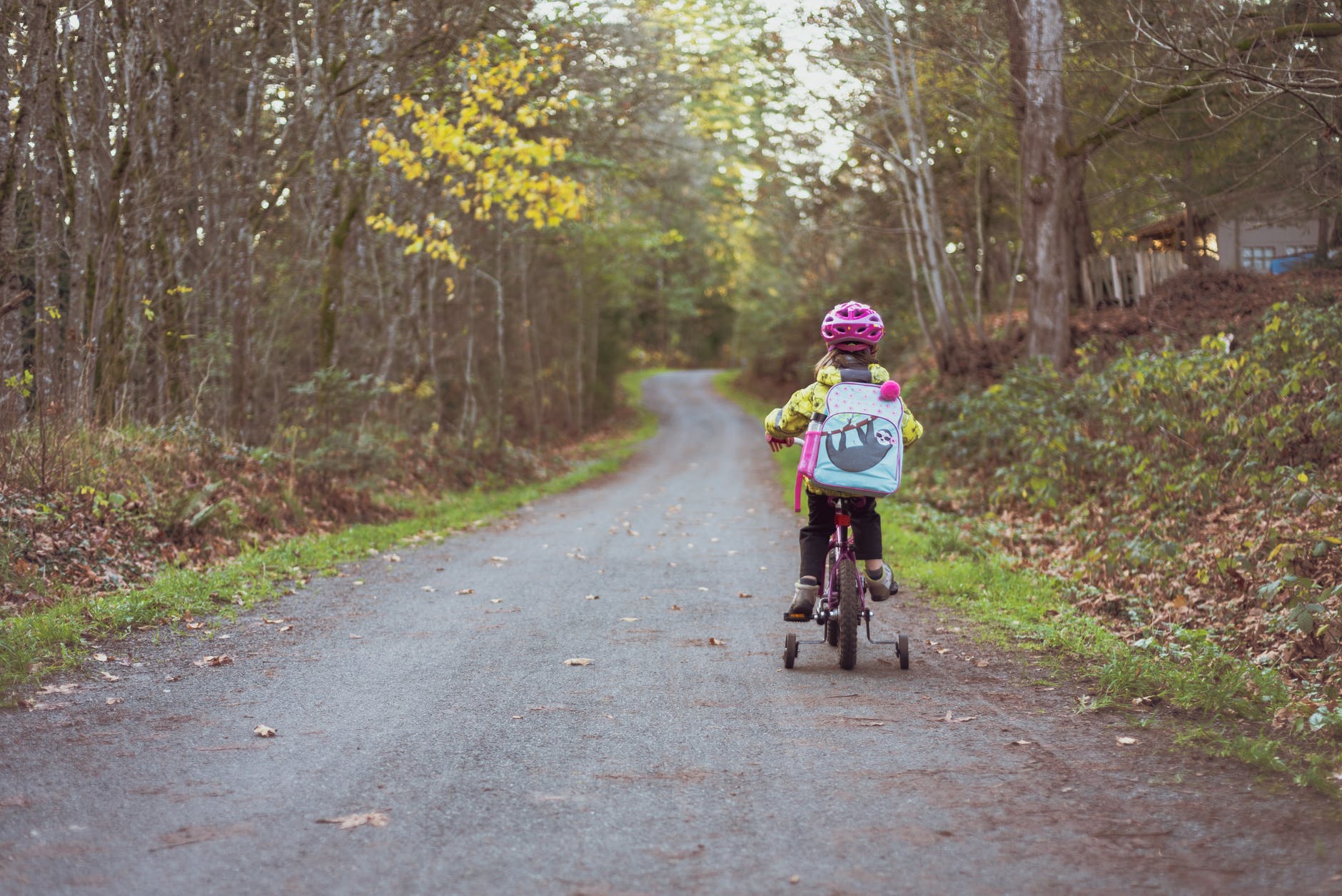
Prevent Bicycle Accidents That Can Cause Serious Injuries To Children

According to the National Fire Protection Association, more than 236,000 children were injured in bicycle accidents in 2007. Many of these injuries involved brain injuries. In fact, brain injuries were the leading cause of death from bicycle accidents. In many cases, these brain injuries would not have occurred if the child was wearing a helmet at the time of the accident. According to the National Fire Protection Association, there are many things that parents can do to keep their children safe on bicycles:

1) Choose your child's routes carefully. If your child is ten years of age or younger, have your child only bicycle on bike paths or on sidewalks. Do not permit you child to bicycle on the road or the streets, as this can be dangerous. Teens can choose to bicycle in streets, as long as the have learned the rules of the road and bicycle with traffic rather than against it. Do not allow your children to bicycle at night, when visibility is poor and bicycle accidents are more likely.

2) Have your child wear a helmet each and every time that they get on their bicycle. Allow you child to select a helmet that he or she likes, and ensure that he or she wears it correctly each time. Helmets are one of the best ways to prevent serious brain injuries and other bicycling injuries.

3) Teach your children good bicycling habits. Show your children how to use the correct hand signals and encourage them to use the hand signals so that drivers know when they are turning. Teach your children to come to a complete halt before driving across a pass, sidewalk, or driveway. Teach your children to walk bicycles across streets, and only very carefully.

4) Bicycle with their children so that you can notice any potential bad habits. If your child is not seem to know the rules of the road or the rules of bicycling, make sure that you teach them. Do not allow your children to bicycle alone or with friends until these basic rules have been mastered.

5) Look for safe bicycling classes in your community. Some police stations and firefighters offer these classes for free to children. These classes teach about the importance of helmets, proper bicycling habits, and traffic rules. There are an excellent way to reinforce the importance of bicycling safety for your children.

6) Lobby for more walking and biking trails in your area. Bicycle and hiking trails are much better alternative to streets for children who are interested in bicycling, because these areas do not require the child to share the road with vehicles. Write to your local mayor or congressperson to ask for more bicycling routes and dedicated walking areas.

Bookmark and Share

July 16, 2008

Lights Can Help Reduce Florida Bicycle Accidents

Brooksville teenagers Justin White and Scott Avery were killed earlier this summer in separate bicycle accidents. The similarities between the two accidents have authorities asking the public to take another look at their bicycle lights. Both accidents occurred after dark and neither bicycle was equipped with lights.

The Florida Highway Patrol has noted that with Florida summer evenings being pleasant, many more bicyclists are on the road after dark. While motorists are obligated by law to watch out for bicycles and treat bicyclists like any vehicle, bicycle owners can help and reduce bicycle accidents by mounting a headlight at the front of their bicycle and a red light at the back.

Riding without lights means a greater risk of car-bicycle collisions. However, lack of adequate lights can also increase the chances of falls and collisions with objects in the dark. Bicycle accidents in the dark can occur when a bicyclist runs into something in the dark or runs over something and loses control of the bicycle. In each case, the accident can cause brain injuries, broken limbs, and other serious injuries.

Florida law necessitates that bicyclists out between sunset and sunrise must have a lamp on the front of their bicycle that is visible from 500 feet. The laws also requires a red light on the back of the bicycle that is visible from 600 feet. Reflectors are also helpful, but the small and not very expensive lights are far more visible to vehicles and therefore are more likely to reduce accidents.

The National Insurance Institute for Highway Safety reports that 60% of collisions involving motorists and bicycles involve bicyclists riding at night without proper lights. Lights simply provide a car with enough notice to stop safely. Without lights, experts note, motorists don’t have time to react correctly because they often do not see the bicycle in time, especially in dark conditions.

The Florida Highway Patrol suggests that parents teach their children and teens to equip their bicycles with lights and to use the lights. This is especially important for teens, who tend to ride alone at night. Authorities suggest getting teens to look at the bicycle as a precursor to a car. Just as your teen would not drive a car in the dark without lights, encourage your teen to avoid riding a bike in the dark without lights.

Bookmark and Share

April 18, 2008

Safety Tips for Preventing Florida Bicycle Accidents

Bicycle accidents claim many lives in Florida and across the country each year. Unfortunately, bicycle accidents have a tendency to be severe because bicyclists are often unprotected on a bicycle while drivers in cars are encased in metal. When a large truck or car hits a bicyclists it is inevitable that injuries will occur, especially since cars and trucks tend to drive much faster than bicycles. Bicycle accidents can result in spinal cord injuries, broken bones, fatalities, brain injuries, and other types of sever injuries. To avoid these injuries, bicyclists need to obey the rules of the road, just like the drivers of any other vehicles. They also need to:

*Stay alert. Being aware of other vehicles around you and being prepared to move quickly out of the way of those vehicles is the best way to avoid injuries. Avoid daydreaming while riding and really focus on the road.

*Obey traffic signs and signals. It is your legal obligation to do so, and these rules are in place to protect you, in any event. Failing to obey the rules of the road can not only lead to an accident, but it can make you responsible for the injuries and damage.

*Drive like any other vehicle. Do not ride against traffic or pass on the right – motorists are not looking for vehicles on the wrong side of the road or on the right. Drive with traffic and like every other motorist – it is more likely that cars will see you and be able to react to you.

*Wear the right gear. Wear comfortable clothing that is snug enough so that it will not catch on your gears or distract you as you ride. Make sure that you have a proper helmet as well as clothes that are comfortable for the weather. You don’t want to be so focused on being too warm that you find yourself in an accident. Never wear headphones or a Bluetooth. Both will distract you and slow your response times. Always wear brightly-colored clothing so that motorists can see you.

*Keep both hands prepared to brake. If you brake one-handed you may not stop in time, especially if you are trying to brake in the rain.

*Use hand signals. Hand signals let drivers know what you about to do.

Continue reading "Safety Tips for Preventing Florida Bicycle Accidents" »

Bookmark and Share

April 24, 2007

As Florida Summer Beckons, It’s Time to Beef Up on Bicycle Safety

Spring in Florida brings with it clear skies and warm days. Just around the corner, summer, with its days of ice cream and long nights is waiting. That means that both motorists and parents need to be alert to the fact that in a few short weeks children will be bicycling, skateboarding and skating on Florida’s streets, often only a few feet or inches from fast-moving vehicles.

Children with bicycles can be a cause of worry for parents. According to the National Highway Traffic Safety Administration, an average of 750 bicyclists were killed annually between 1995 and 2000. According to The Safe Kids U.S. Summer Safety Ranking Report, 2,143 children died in the summer months (May 1st to August 31st) in 2004 due to largely preventable injuries. This averages out to about 17 children a day.

When it comes to summer injuries, bicycles are a big factor. According to The Safe Kids U.S. Summer Safety Ranking Report, preventable injuries to children spike seriously in the summer. Bicycle injuries can lead to paralysis, brain damage, spinal cord injury, and other serious disabilities. Worse, the report finds that bicycle accidents are the second most common cause of childhood death and injury during the summer months. In fact, childhood injuries and deaths related to bicycling increase 45% in the summer over the annual monthly average during the rest of the year.

Based on the findings of this report, Safe Kids Worldwide has suggested that parents take some precautions when school lets out. Parents can reduce the possibility of bicycle injuries by:

*Supervising. Parental or adult supervision can reduce childhood bicycle accidents and can ensure that quick help is available in case an accident does take place.

*Setting boundaries. Children who play in their own backyards are close to help in case they need it. Plus, Florida has many biking and hiking trails that can take young bicyclists off the roads and away from motorists.

*Choosing the right helmet. According to Safe Kids Worldwide, a properly-fitted helmet has cut the risk of brain injury by up to 88 percent. If you are not sure what sort of helmet is right for your child, speak to a professional.

*Staying aware of unsafe products. Product recalls and reports of defective products are common today. Make sure that your child is not riding a bike that has been reported unsafe and is not wearing a helmet that has been recalled.

*Teaching children the rules of the road. Make sure that your children know how to ride bicycles safely.

Bookmark and Share

March 6, 2007

Florida Bicycle Laws Aim to Keep Accidents To A Minimum

The state of Florida has a number of laws surrounding the bicycle, which in the state is legally defined as a vehicle. Florida attorneys, police officers, and doctors all agree that if more bicyclists adhered to the rules of the road, there would be fewer bicycle accidents on the roads each year. Florida’s cities and municipalities have their own ordinances about bicycles. Copies of these ordinances can be obtained from the local law enforcement agencies. It is also important for bicyclists to become familiar with the state regulations regarding bicycles. Some highlights of these laws include:

Section 316.2065, F.S. (Regulations Regarding Bicycles):

*Like drivers of other vehicles, bicyclists have to obey all traffic laws, controls and signals.

*Each bicycle can only carry the number of people for which the bicycle was designed.

*Each bicycle must have a fixed, regular seat when in use.

*Each bicycle must have functioning brakes. These brakes must allow the bicycle to stop within 25 feet when riding at 10 miles per hour.

*At least one hand of the bicyclist must be kept on the handlebars at all times while the bicycle is being used.

Section 316.2065, F.S. (Regulations About Riding on Sidewalks):

*If a bicyclist chooses to ride on sidewalks, the bicyclist has the same responsibilities and rights as a pedestrian.

*Bicyclists on sidewalks must give an audible signal before passing pedestrians and must yield the right-of-way to pedestrians.

Section 316.2065, F.S. (Regulations About Lighting):

*Any bicycle ridden between sunset and sunrise must have, at absolute minimum, be a front white light that is visible from 500 feet and a red reflector and a red light on the rear that is visible from 600 feet. Additional lighting can greatly enhance safety.

Section 316.2065, F.S. (Regulations Regarding Roadway Position)

*If a bicyclist is not traveling at the speed of traffic he or she must ride near the right-hand curb of the road. The bicyclist may only leave this portion when passing, when making a left turn, or when striving to avoid road hazards.


*A bicyclist riding on a one-way street with may ride near the left-hand edge of the road.

*Bicyclists who are riding together can ride no more than two abreast unless on bicycle-only paths. If on a roadway where two abreast interferes with the normal flow of traffic, bicyclists shall ride single file

Sub-section 316.155(2) and 316.157(2), F.S. (Regulations About Signaling Turns)

*About 100 feet before an intended turn, the bicyclist must signal for the turn.

*A bicyclist must signal a turn right by extending the left hand and arm up or by extending the right hand and arm to the right side of the bicycle horizontally.

Other regulations may apply. Bicyclists should make themselves aware of the laws of their state and parents teaching their children to ride a bicycle are responsible for teaching their children safety rules and laws. Local law enforcement and local bicycle clubs have full details surrounding laws.

Bookmark and Share

February 1, 2007

Bicycle Accidents at the University of Florida -- A Key Concern

The University of Florida Police Department has registered more than 30 000 bicycles, which is quite a considerable number for a campus with over 50,000 faculty, staff and students. Earlier this month, the University of Florida also worked to increase awareness about bicycle safety, to curb the bicycle accidents that can happen on the busy campus.

The University passed out flyers and the campus newspaper published stories to draw attention to the issue. According to the University of Florida Police Department, a key problem on campus are bicycle-pedestrian collisions. This is simply because many students and faculty walking to and from class as well as many bicyclists rushing to the same classes can create accidents. Although pedestrian-bicycle accidents are rarely fatal, they can be a cause of personal injuries.

Of course, when students and other members of the University of Florida take their bicycles on the road, off-campus or onto the campus areas where cars are more frequent, fatal accidents can occur. Whether trying to prevent motorist-bicycle accidents or pedestrian-bicycle accidents, the University of Florida Police Department has the same message to everyone on campus: Remain aware of surroundings. According to the University of Florida Police Department, most collisions involving bicycles could be avoided if bicyclists, pedestrians, and motorists all showed greater caution and greater awareness of what is going on around them.

One of the major culprits, according to campus authorities, are cell phones, and other distractions. Many students will chat on their phones, eat their lunches, listen to ipods and otherwise distract themselves while riding bicycles. This can dramatically reduce response time and can create any number of dangerous situations.

Another problem that the University of Florida Police Department sees is to have a warning system on hand. When coming up behind a pedestrian, it is mandatory to give warning, either with a bike bell or verbally. Otherwise, the University of Florida Police Department advises that everyone stay in designated pedestrian or bicycle lanes and generally exercise some caution. Since bicycle accidents can lead to brain injuries and other serious injuries, the University of Florida Police Department offers special classes to those bicyclists who have at least one citation.

Bookmark and Share